Kenya Innovation Agency highlights Quad-Helix Model to drive scalable African innovation
Date: 2026-04-18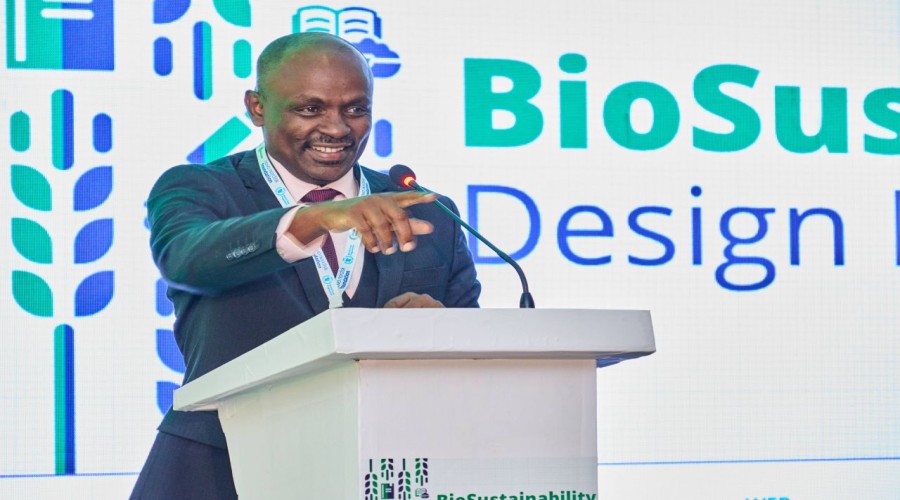
By: Kanto Kai Okanta
The
Kenya National Innovation Agency has called for stronger adoption of quad-helix
and multidisciplinary approaches to innovation, emphasizing closer
collaboration between academia, industry, government, and development partners.
Speaking
during a keynote address at the launch of the BioSustainability Design Novo
Nordisk Foundation Fellowship Programme, CEO Dr. Tonny K. Omwansa outlined the
importance of need-based and problem-driven innovation models in addressing
complex societal challenges.

The
programme, a partnership between the Novo Nordisk Foundation and the World Food
Programme, brings together stakeholders to advance design-led solutions aimed
at improving sustainability and impact across key development areas.
Dr.
Omwansa noted that integrating design thinking into innovation processes
increases the likelihood of scalable and practical outcomes, particularly when
addressing real-world challenges in food systems and sustainability.
He
highlighted the initiative as an example of effective collaboration between
academia, industry, government, and development partners, aligned with broader
continental efforts to strengthen innovation ecosystems.

The programme also supports regional cooperation under the Innovation Agencies in Africa Network, with a focus on cross-border innovation, commercialization, and startup support across countries including Kenya, Rwanda, Uganda, and Ethiopia.
Officials
indicated that such collaborative models are critical to accelerating impactful
innovation and strengthening Africa’s position in the global knowledge economy.