Ethiopia leads AU discussion on artificial intelligence, governance and security
Date: 2026-04-17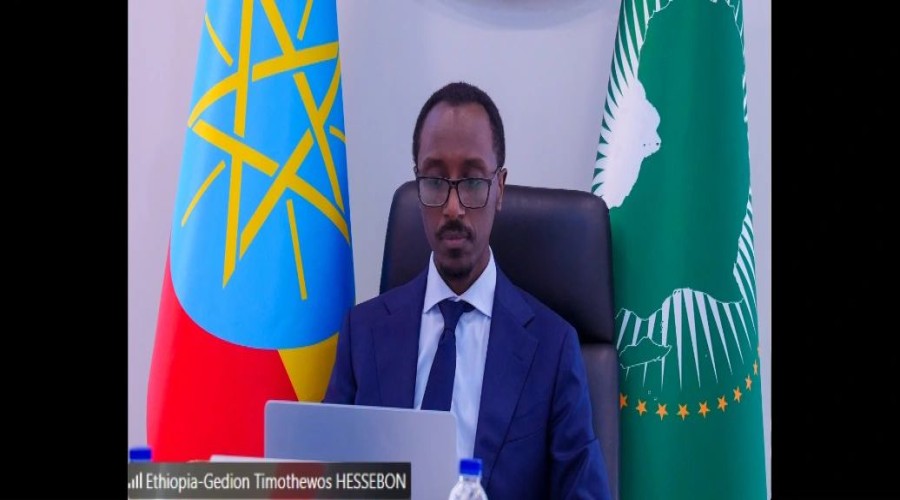
By: Nana Appiah Acquaye
Ethiopia
has convened and chaired a high-level African Union Peace and Security Council
(AUPSC) Ministerial Meeting focused on the implications of artificial
intelligence for governance, peace, and security across the continent.
The meeting, held under Ethiopia’s April 2026
chairship of the Council, was addressed virtually by Minister of Foreign
Affairs Gedion Timothewos, who underscored the growing role of artificial
intelligence in reshaping governance systems, economic development, and
security frameworks globally.
He noted that AI is increasingly being integrated into
public administration, decision-making processes, and security operations,
describing it as both an opportunity and a challenge for African states.

The minister highlighted that when
responsibly deployed, AI could strengthen conflict prevention, enhance early
warning systems, and support mediation and governance processes. However, he
cautioned that misuse of the technology could amplify cybercrime,
disinformation, and exploitation by criminal and terrorist networks, calling
for robust regulatory frameworks.
He further emphasized alignment with
the African Union Artificial Intelligence Strategy and welcomed the
establishment of the AU Advisory Group on AI, Peace and Security. The minister
also referenced the appointment of Ethiopia’s Prime Minister Abiy Ahmed as AU
Champion on Artificial Intelligence and Digital Health, reflecting increased
continental focus on digital transformation.
Ethiopia’s Permanent Representative
to the African Union and the United Nations Economic Commission for Africa,
Ambassador Hirut Zemene, also reiterated the need to translate continental AI
strategies into actionable policies supported by strong governance and
regulatory systems.

She stressed the potential of AI to
enhance Africa’s peace and security architecture through improved early warning
mechanisms, preventive diplomacy, and strengthened analytical capabilities.
Officials
concluded that artificial intelligence is becoming a strategic necessity, with
its governance expected to play a central role in shaping Africa’s future
security and development landscape.