By: Kanto
Kai Okanta
The Postal and
Telecommunications Regulatory Authority of Zimbabwe (POTRAZ), in partnership
with the Internet Society Zimbabwe Chapter, has successfully completed a Basic
ICT Skills training programme aimed at empowering persons with disabilities
through digital literacy and technology education.
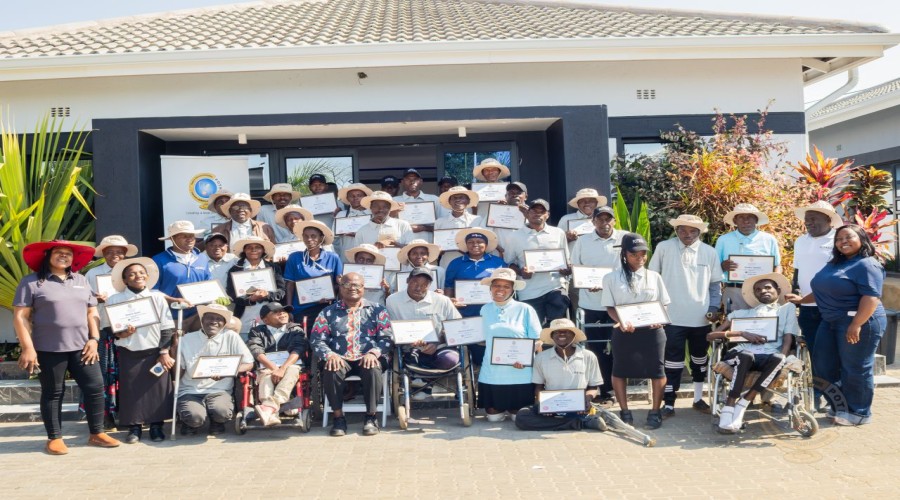
The training, held in
Lupane, brought together 35 participants with disabilities drawn from the
districts of Lupane, Dete, and Binga. The initiative forms part of ongoing
efforts to promote digital inclusion and ensure that underserved communities
are equipped to participate meaningfully in Zimbabwe's growing digital economy.
According to POTRAZ, the
programme was designed to provide participants with essential information and
communication technology (ICT) skills that can enhance their ability to access
information, communicate effectively, and take advantage of opportunities in
the digital space.
The training focused on
foundational digital competencies, enabling participants to build confidence in
using technology for both personal and professional development. Organisers
noted that strengthening digital skills among persons with disabilities is
critical to reducing barriers to participation in education, employment,
entrepreneurship, and social engagement.
The collaboration between
POTRAZ and the Internet Society Zimbabwe Chapter reflects a shared commitment
to promoting inclusive access to digital technologies and ensuring that no
community is left behind in the country's digital transformation journey.
Participants were introduced
to practical ICT tools and applications aimed at improving digital literacy and
fostering greater independence. The programme also sought to enhance
participants' confidence in navigating digital platforms and accessing online
services that can support their daily lives and economic activities.
POTRAZ has continued to
champion initiatives that expand digital access and skills development across
Zimbabwe, particularly among marginalized and vulnerable groups. By targeting
persons with disabilities, the authority aims to bridge digital divides and
create opportunities for broader participation in the knowledge economy.
The successful completion of
the training programme underscores the growing recognition of digital skills as
an essential component of social and economic inclusion. Stakeholders believe
that initiatives of this nature will play an important role in empowering
persons with disabilities and enabling them to contribute more actively to
Zimbabwe's digital future.