Ghana explores circular economy to drive climate-resilient agriculture
Date: 2026-04-08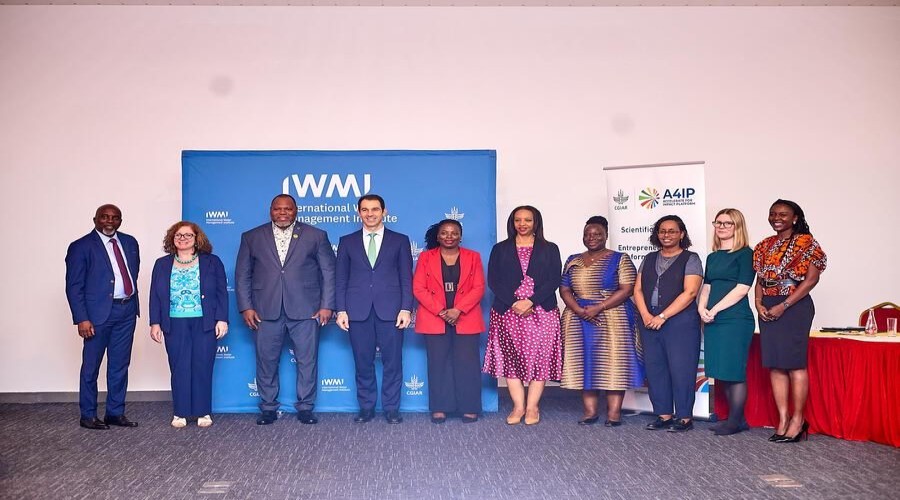
By: Nana Appiah Acquaye
Over
100 experts gathered in Accra to explore how circular innovation can transform
Ghana’s agriculture into a more climate-resilient and sustainable sector. The
workshop, organized by the International Water Management Institute (IWMI) with
support from the Alliance of Bioversity International and CIAT through the
CGIAR Accelerate for Impact Platform (A4IP), the Circular Bioeconomy Innovation
Hub, and the African Development Bank Group, focused on practical solutions for
managing organic waste and promoting sustainable food systems.

Participants
highlighted that agriculture, which contributes up to 30 percent of Ghana’s
GDP, generates more than 12,700 tonnes of waste daily, most of it organic.
Discussions emphasized opportunities such as biofertilizer production, organic
waste valorization, agri-tech startups, and climate finance to create
market-ready solutions.

Experts
stressed that scaling these innovations will require targeted investments,
stronger partnerships, and a more structured innovation ecosystem. The
consensus was clear: circular economy practices are increasingly essential for
transforming Ghana’s food systems and positioning the country as a leader in
sustainable agri-innovation across Africa.